
It is not uncommon for women to suffer from acne in adulthood. It has been found that in 6 out of 10 women, acne worsens during pregnancy, while in 3 out of 10 it remains the same. A small percentage even improve.
We are not sure of the exact cause of this worsening, but hormonal changes during pregnancy undoubtedly play a significant role. Some studies indicate that the worsening is greater in the third trimester, as a result of increased androgens, while other studies found that acne was more severe mainly in the first trimester.
Whatever the situation, whether you didn’t have acne before pregnancy and it has appeared, or you already suffered from it and it has worsened, it’s normal to try to find a solution. The problem arises when, during pregnancy, it is impossible to use the most effective treatments for acne in adult women: retinoids (either in cream form, such as adapalene or retinoic acid, or orally, such as isotretinoin) and antiandrogens (contraceptives, spironolactone).
Despite this, there are certain options that we can use during pregnancy to control acne. I’ll tell you about them below.
What topical treatments can be used for acne during pregnancy?
AZELAIC ACID:
Marketed at 15 or 20%, this product has an effect on pimples (keratolytic, cleanses pores), is antibacterial and anti-inflammatory, and also slows down skin pigmentation, which can help prevent spots on the face as a result of pimples, especially if you have dark skin.
Azelaic acid may cause slight irritation when first used, but the skin gradually becomes accustomed to it.
BENZOYL PEROXIDE:
When applied topically, it has antibacterial, comedolytic, and anti-inflammatory effects. It has a “bleaching” effect on fabrics, discoloring them, so be very careful after using it (wash your hands and use a white pillowcase).
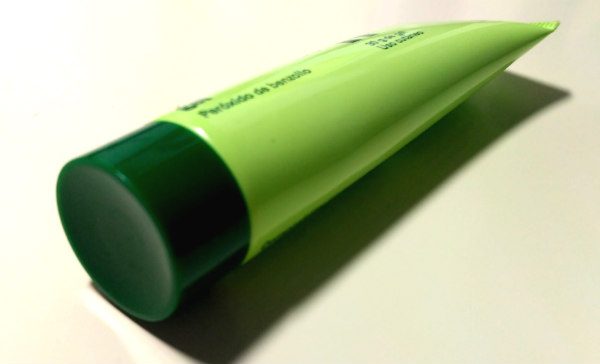
Some time ago, I wrote an article about benzoyl peroxide (in Spanish) where you can learn more about it.
ANTIBIOTICS:
The most commonly used are erythromycin and clindamycin. Both are suitable for use during pregnancy, but are not recommended for prolonged periods of time in order to avoid the development of bacterial resistance.
It has been shown that combined use with benzoyl peroxide helps reduce the risk of resistance, so antibiotics are not recommended as the sole treatment for acne.
SALICYLIC ACID
Found in cosmetic products (gels, creams, tonics), it helps dissolve keratin in the pores, producing a comedolytic effect. It is clear that salicylic acid alone will not cure acne, but it can be useful as a supplement.
What oral treatments can be used for acne during pregnancy?
We will reserve oral treatment for acne outbreaks that are not adequately controlled with topical products and are highly inflammatory, which can result in persistent marks or scars.
ANTIBIOTICS:
For these situations, we can use antibiotics from the macrolide family (erythromycin or azithromycin) or cephalexin. Once again, in order to prevent the development of bacterial resistance, it is advisable not to prolong treatment for more than 3 months and to combine it with benzoyl peroxide. If more than one course of antibiotics is required, it is preferable to always use the same one, which also minimizes the risk of resistance.
ORAL STEROIDS:
We would only use them in very severe cases where the acne is highly inflammatory, such as acne fulminans. As I said, this is exceptional, but it is certainly good to know that we have tools available to treat severe cases with a lot of inflammation and pain.
