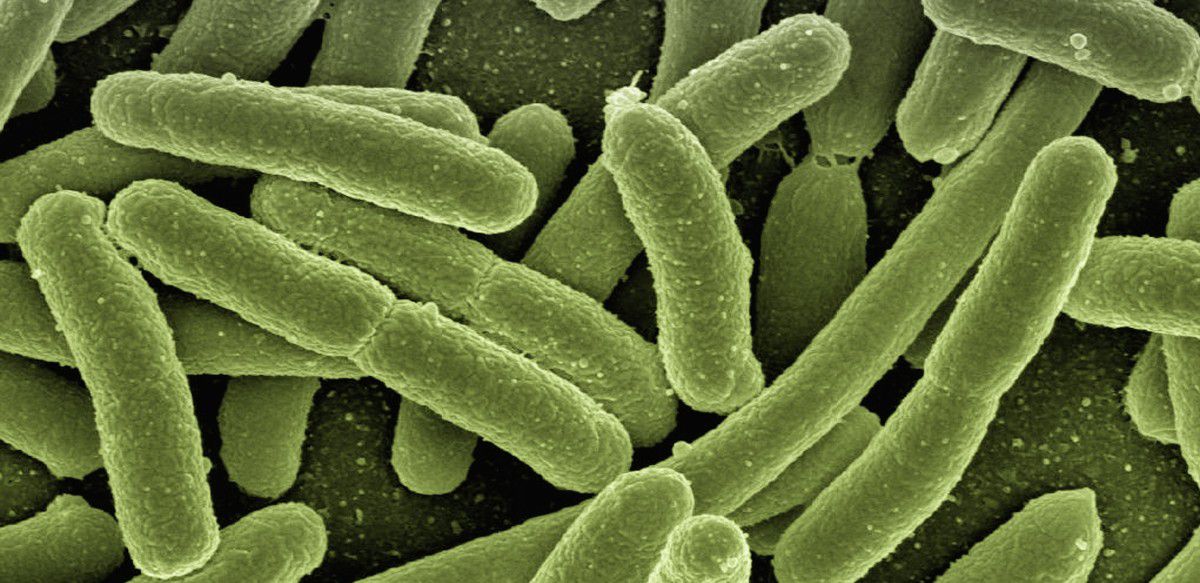
In recent years, there has been no shortage of research focusing on the use of probiotics for acne. But why?
You see, the entire surface of our skin is covered with microorganisms (bacteria, fungi, mites, and viruses). The collective term for all these living organisms that live in symbiosis with us is “microbiota.” Similarly, our gut is populated by microorganisms. Interestingly, our bodies contain more non-human cells than human ones. In other words, there are more bacteria than cells that make up the structure of our body and organs.
It is increasingly evident that there is a certain interaction between our microbiota and certain inflammatory diseases. In the case of acne, studies have primarily focused on the skin microbiota rather than the gut microbiota. I’ll tell you what we currently know about this topic.
What Are Probiotics for Acne?
As I mentioned, our skin is covered by microorganisms. We acquire bacterial colonization at birth, and it changes throughout our lives. Furthermore, these microorganisms are distributed differently depending on the part of the body. For example, we won’t find the same bacteria in the oilier areas (forehead, scalp, chest) as in the moist areas (armpits, groin, soles of the feet) or dry areas (forearms, legs, buttocks).
The bacterium most closely associated with acne, which lives specifically in the most sebaceous areas of our body, is Cutibacterium acnes (C. acnes, formerly known as Propionibacterium acnes). It plays a significant role in the development of pimples, both in teenage acne and in hormonal acne in adult women.
This bacterium lives in the hair follicle, thriving in environments with higher sebum levels. Additionally, it can cause inflammation, which leads to the appearance of red pimples or pustules.
On the other hand, Staphylococcus epidermidis (S. epidermidis) is another bacterium that permanently inhabits our skin. It is found primarily in the armpits, on the scalp, and in the nasal passages. The presence of this bacterium is important for maintaining a balance with C. acnes and other bacteria, such as Staphylococcus aureus, which is implicated in atopic dermatitis.
When there are imbalances among bacterial populations, we say that dysbiosis occurs. Probiotics for acne would be live microorganisms capable of correcting this dysbiosis. Studies are currently being conducted based on this premise, most of which involve oral or topical administration.
How Probiotics Work for Acne
It is believed that, through their effect on the gut microbiota, probiotics may reduce skin inflammation or lower insulin resistance. Both of these effects could be beneficial for acne. On the one hand, reduced inflammation would decrease the redness and pain associated with pimples. On the other hand, reduced insulin resistance would cause the skin to produce less sebum, which could indirectly improve acne.
Topically, applying products containing certain types of microorganisms could help regulate the microbiota. This would reduce the amount of C. acnes, thereby decreasing the formation of acne lesions.
Are Probiotics Effective for Acne?
The points discussed above make sense from a theoretical perspective. Along these lines, several studies have been conducted with probiotics containing different strains of a bacterium called Lactobacillus. All appear to improve the severity of acne.
Topically, one study showed an improvement in sebum production after 4 weeks of using a postbiotic consisting of a lysate of fermented Lactobacillus plantarum. In this case, the cosmetic does not contain bacteria, but rather fragments of them.
Read more about conventional treatments for acne
What Is the Best Probiotic for Hormonal Acne
The promising results obtained from the use of oral probiotics and topical postbiotics in the studies mentioned above are encouraging. However, all of these studies were conducted with a small number of patients (only one included more than 100 cases). Therefore, the current evidence is limited.
Furthermore, there is variability in the composition of the probiotics used, which makes it even more difficult to draw clear conclusions regarding their effectiveness or superiority over one another.
In conclusion:
It is possible that in the future we may be able to use probiotics to improve acne, as some studies suggest they are effective. However, we do not yet have sufficiently conclusive scientific evidence to recommend their systematic use.
Are you looking for a good treatment for your acne? You might be interested in my online dermatology service, backed by hundreds of patient reviews :)
