Acne is caused by an increase in the skin’s sebum production, which promotes the overgrowth of a bacterium called Cutibacterium acnes in the skin’s pores. This, combined with a tendency for pores to become clogged with keratin, can lead to inflammation, resulting in the typical whiteheads.
We see that the basis of the process is an increase in sebum production, which is clearly linked to androgens—the male hormones present in both men and women. That is why treatments designed to counteract the effects of androgens are so effective in treating acne, especially in women.
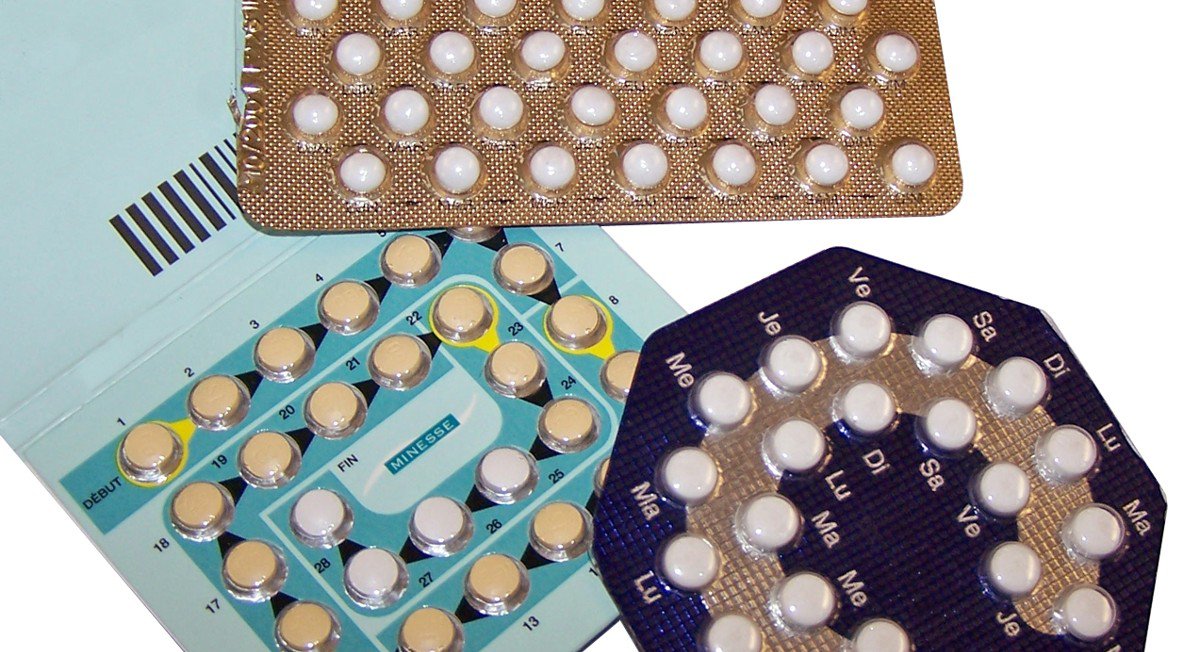
One of the most commonly used tools for this is birth control. A meta-analysis published a few years ago in the journal of the American Academy of Dermatology showed that, although they work more slowly, their effectiveness after 6 months is comparable to that of antibiotics.
This makes them very useful because all international acne treatment guidelines agree that antibiotics should not be used for more than 3 months, due to the risk of developing bacterial resistance. Oral contraceptives, however, can be used long-term.
How do birth control pills affect acne?
Oral contraceptives contain an estrogen component (ethinyl estradiol) and a progestin that varies depending on the type or brand.
The overall mechanism by which the estrogens in contraceptives improve acne is not entirely clear. It is possible that the estrogens themselves compete with circulating androgens in the sebaceous glands. On the other hand, they may cause the ovaries to produce fewer androgens through a negative feedback mechanism. Finally, they induce an increase in circulating SHBP (sex hormone-binding protein), to which androgens would bind, thereby preventing them from acting on the sebaceous glands.
The effectiveness of a contraceptive for acne will depend on the progestin it contains.
Which birth control methods are suitable for acne?
Oral contraceptives containing progestins with antiandrogenic effects are particularly effective for treating acne in women. In this way, in addition to the effects mentioned in the previous section, the contraceptive contains a molecule that specifically counteracts the effect of androgens on the sebaceous glands.
Antiandrogenic progestins include:
- Drospirenone
- Cyproterone acetate
- Chlormadinone acetate
- Dienogest
There are also contraceptives that contain only progestins. In such cases, we would choose one that contains drospirenone.
Which birth control pills are NOT suitable for acne?
Oral contraceptives containing certain progestins may not only fail to improve acne but actually worsen it, as some have pro-androgenic effects. Here are the ones to avoid:
- Noretindrone
- Desogestrel
IMPORTANT NOTE:
Birth control pills are useful tools for improving your acne. However, you should always discuss the benefits and risks with your doctor. This article is for informational purposes only and does not replace a comprehensive medical consultation in which the suitability of this treatment can be determined.
