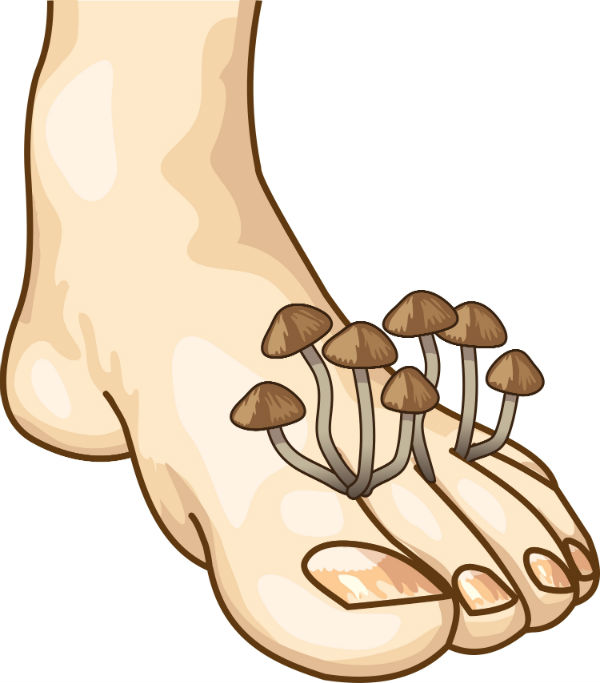
LWhat we commonly call “foot fungus” or “athlete’s foot” is technically known as ‘ringworm’ or “dermatophytosis” of the foot. In this post, I’ll try to explain what they are and why they occur…
What does athlete’s foot look like?
It is characterized by red, flaky skin or small blisters accompanied by itching, which usually begins between the toes and may spread to the sole or top of the foot. It sometimes appears after activities that cause sweating.
If athlete’s foot is not treated properly from the start, it can become chronic. In these cases, the skin between the toes is usually less red than at the onset of the condition, but the peeling spreads to the soles or the tops of the feet (when this occurs, it is called “moccasin ringworm”). The infection can also spread to the other foot or even to the hands.
More pictures of athlete’s foot
What causes athlete’s foot?
Athlete’s foot is caused by a type of fungus called “dermatophytes” (Trichophyton mentagrophytes, var. interdigitale, and Trichophyton rubrum, which is more common). This name means that they feed on the keratin in the skin (the protein that forms the outermost layer of the skin, as well as nails and hair).
How is athlete’s foot spread?
Since the fungi that cause it are found on the skin’s surface, athlete’s foot is spread through direct skin-to-skin contact with an infected person or through floors or sports facilities where people walk barefoot.
How is athlete’s foot treated?

Athlete’s foot is treated with creams containing antifungals, which are medications that fight fungi. This is usually sufficient, and oral medication is not necessary. In any case, if you suspect you have athlete’s foot, it is advisable to see a dermatologist, who will recommend the most appropriate treatment.
Can it be associated with other skin conditions?

Occasionally, red patches of skin may appear on the hands or other parts of the body at the same time as the lesions on the feet. This does not mean that the fungus has spread, but rather that our body is reacting to it by developing these new lesions, called “ides.” The ides heal when athlete’s foot is treated.
On the other hand, it’s not uncommon for fungi to infect the toenails as well as the skin of the foot. We’ll discuss toenail fungus in another post…
